How to Choose Go Karts for a Family Entertainment Center (FEC)
With the continuous growth of family-oriented consumption, more and more Family Entertainment Centers (FECs) and children’s go-kart venues are using go-kart attractions as a core driver for foot traffic and repeat visits. However, many operators discover during real-world operations that simply purchasing go karts does not guarantee profitability. The key factor lies in whether the selected kart models truly match the venue’s actual customer structure and operating scenarios.
For venues primarily targeting family audiences, go-kart selection must address multiple needs at the same time, including children’s safety, meaningful parent–child interaction, adult driving experience, and the ability to generate long-term repeat visits. This is exactly why relying on a single kart model often fails to support sustainable operations.
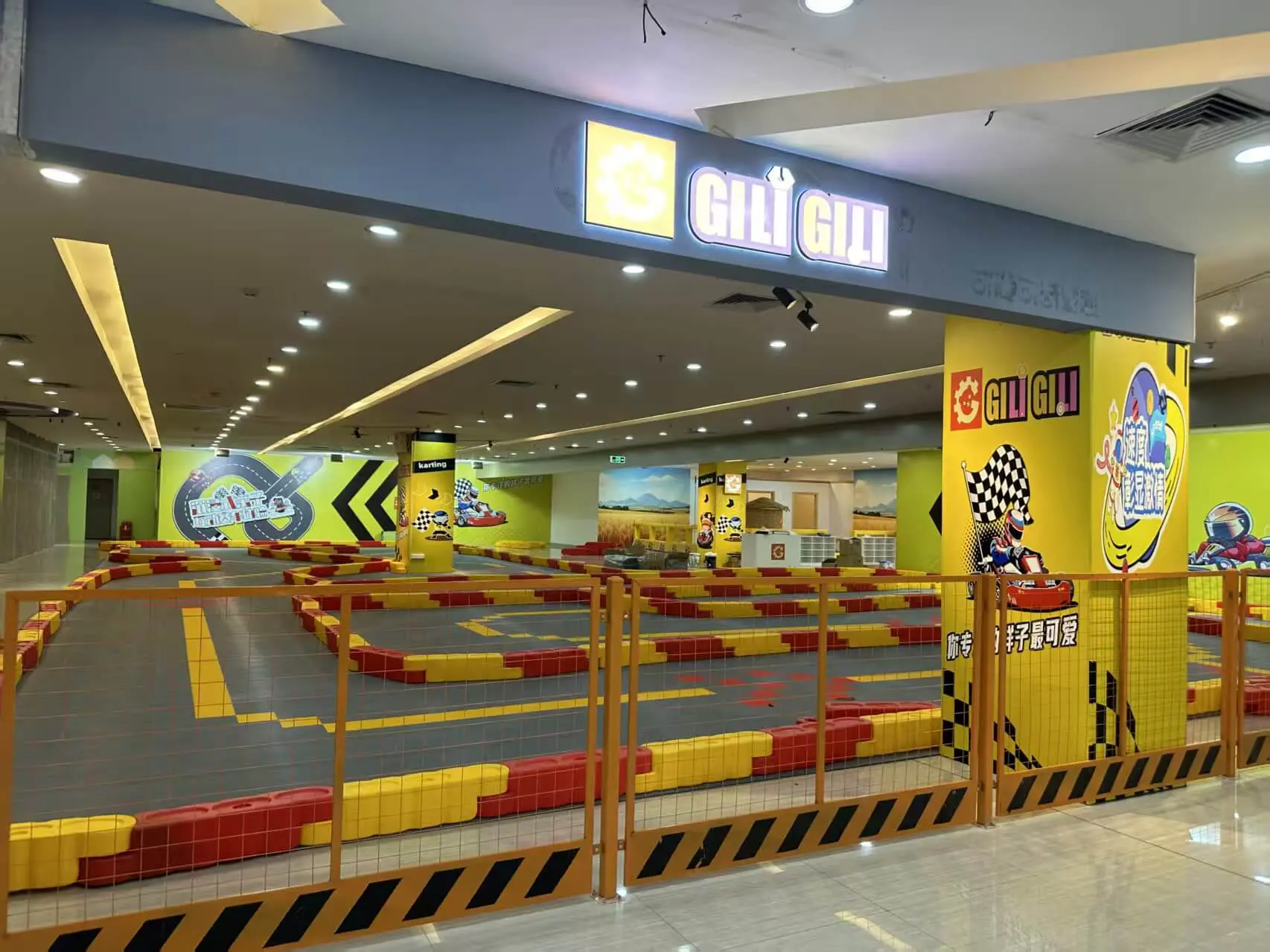
Under the boom of family consumption, children’s go-kart clubs have become increasingly popular destinations for family leisure. At the same time, operational challenges are becoming more apparent, such as limited customer coverage, a lack of parent–child engagement scenarios, and unstable revenue performance. In practice, a single kart type is rarely sufficient to support a competitive venue.
Choosing the right combination of kart models can be a decisive breakthrough. A strategic mix of drift karts, lightning karts, and parent–child go karts allows operators to cover all age groups, activate family participation, and gain stronger control over both customer experience and overall profitability.
Drift Karts + Lightning Karts: Expanding Coverage for Ages 3 and Above
In family-oriented venues, one frequently overlooked issue is that the entry barrier for a child’s first driving experience is often too high. If children cannot get started quickly or experience a sense of achievement at the beginning, it becomes difficult to build repeat visits and even harder to encourage continued spending from parents.
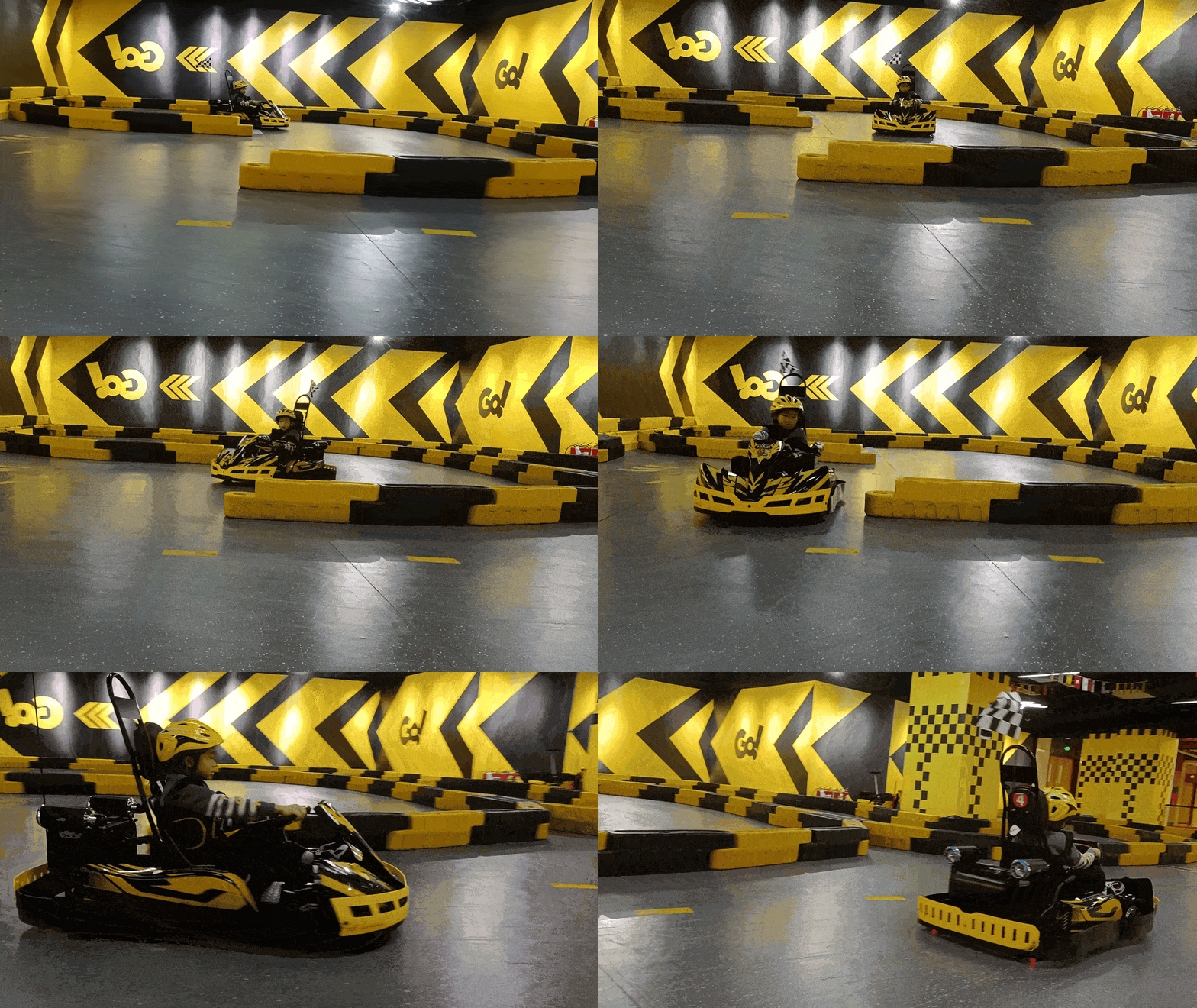
Drift karts are designed to be easy to learn and immediately enjoyable. With a front-wheel-drive system combined with drifting rear wheels, the learning curve is extremely low. Even children as young as three years old can quickly grasp the controls and perform simple drifting movements. This instant feedback not only satisfies children’s desire for fun but also helps build confidence and interest from their very first ride.
Lightning karts, on the other hand, are equipped with patented front-wheel-drive technology that delivers precise steering and responsive handling without understeer. They are suitable for children seeking a more advanced driving experience, while also meeting the expectations of teenagers and adults who prefer a more competitive and engaging ride. This helps prevent experience fatigue caused by overly simple kart designs.
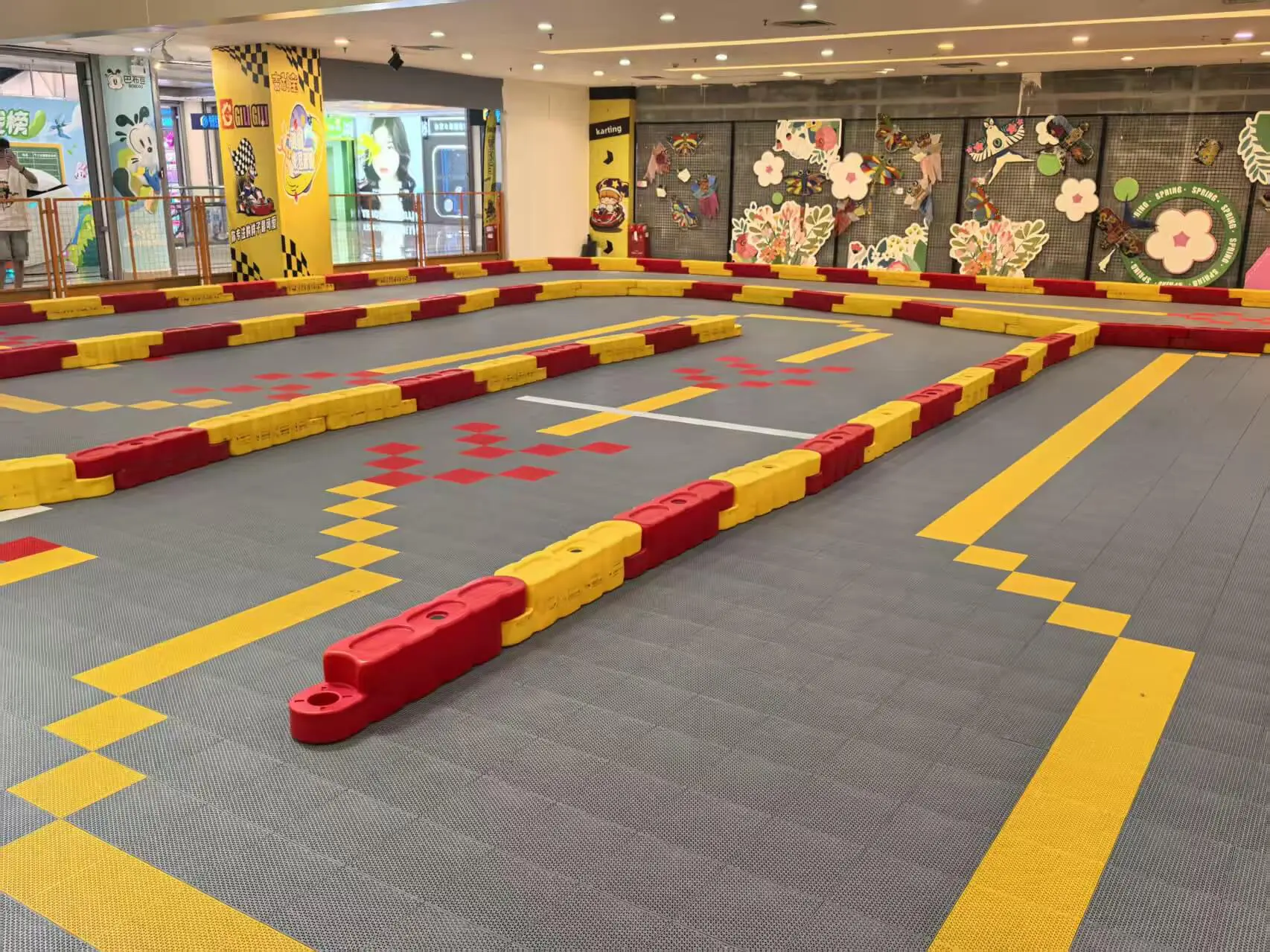
Both kart types are equipped with three-point self-locking seat belts and 20 cm adjustable seats, allowing flexible adaptation to different heights. From young children to adults, the same fleet can safely accommodate a wide range of users, significantly lowering the overall experience threshold and helping venues attract a broader customer base. This combination of low learning difficulty and high entertainment value makes drift karts and lightning karts especially suitable as first-time experience vehicles, forming a strong foundation for high conversion rates and strong walk-in attraction in family-focused venues.
Parent–Child Go Karts: Creating Meaningful Family Interaction
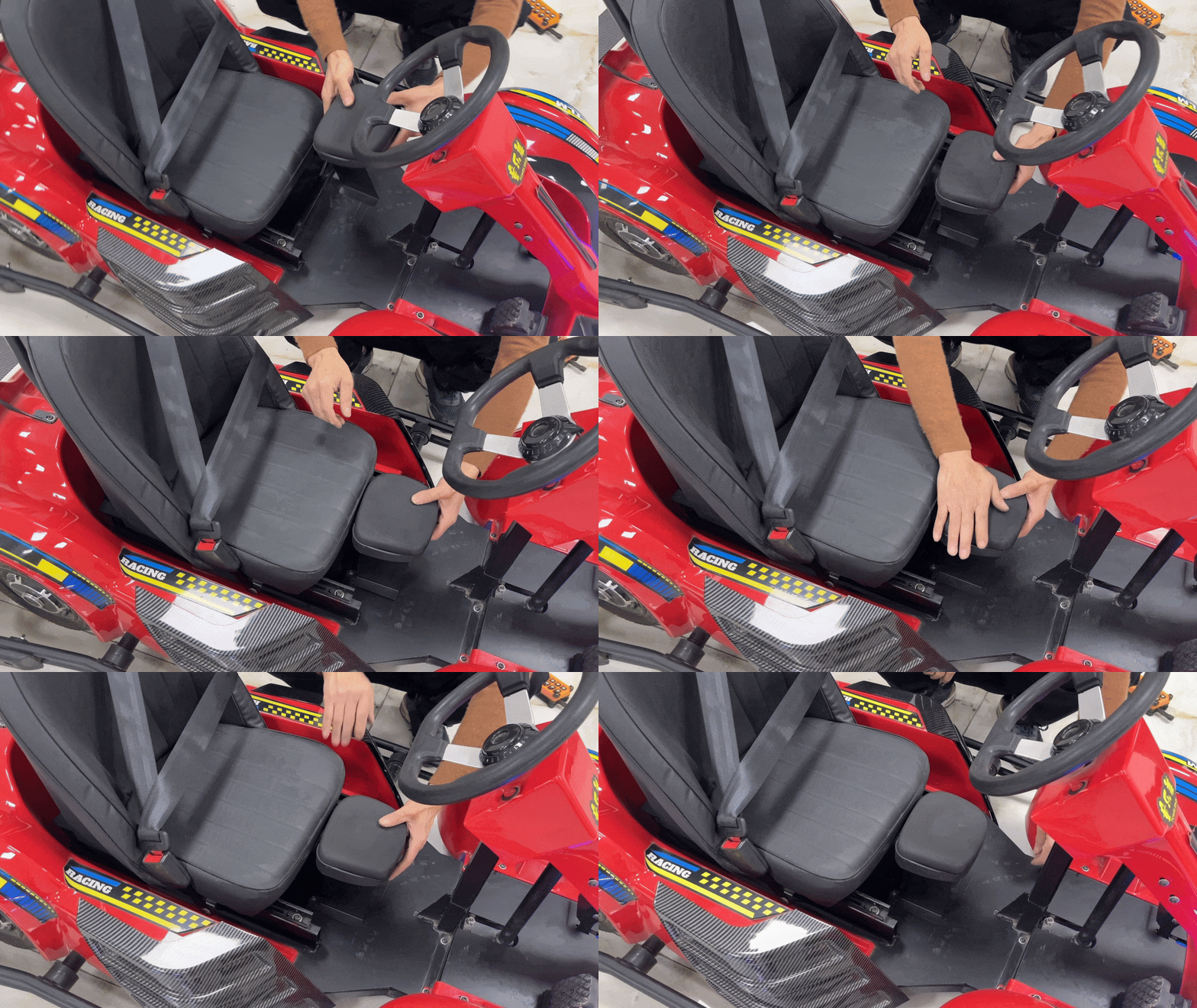
In many family entertainment venues, a common but inefficient scene is that children are driving while parents are waiting on the sidelines. Truly high-value family entertainment experiences require parents to participate rather than remain passive observers. The core advantage of parent–child go karts lies in their ability to fill this gap by transforming individual child users into family-based consumption units. These karts are equipped with quick-release dual seats, allowing fast conversion to a two-person driving mode. Parents can accompany their children throughout the ride, ensuring safety while creating high-quality parent–child interaction that aligns closely with modern family consumption trends.
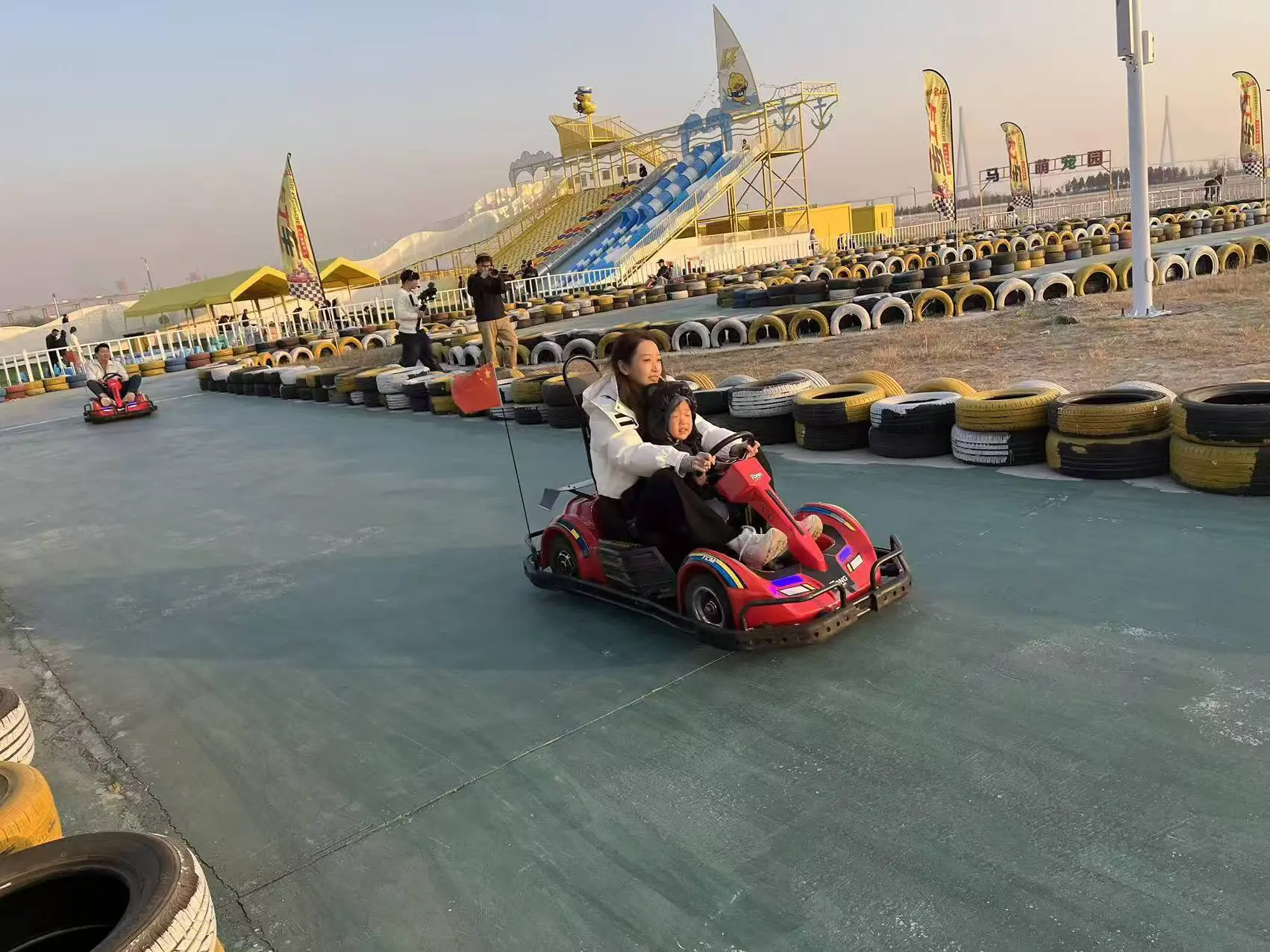
In addition, parent–child go karts are fitted with three-point self-locking seat belts and 20 cm adjustable seating. Both parents and children can adjust their seating positions according to height and comfort needs, ensuring safety and comfort even during long-term, high-frequency use. By increasing emotional engagement and participation, parent–child go karts also provide operators with greater flexibility in designing pricing and experience packages, making them a key driver for improving average spend per customer and repeat visitation.
Why a Three-Kart Combination Strengthens Operational Structure
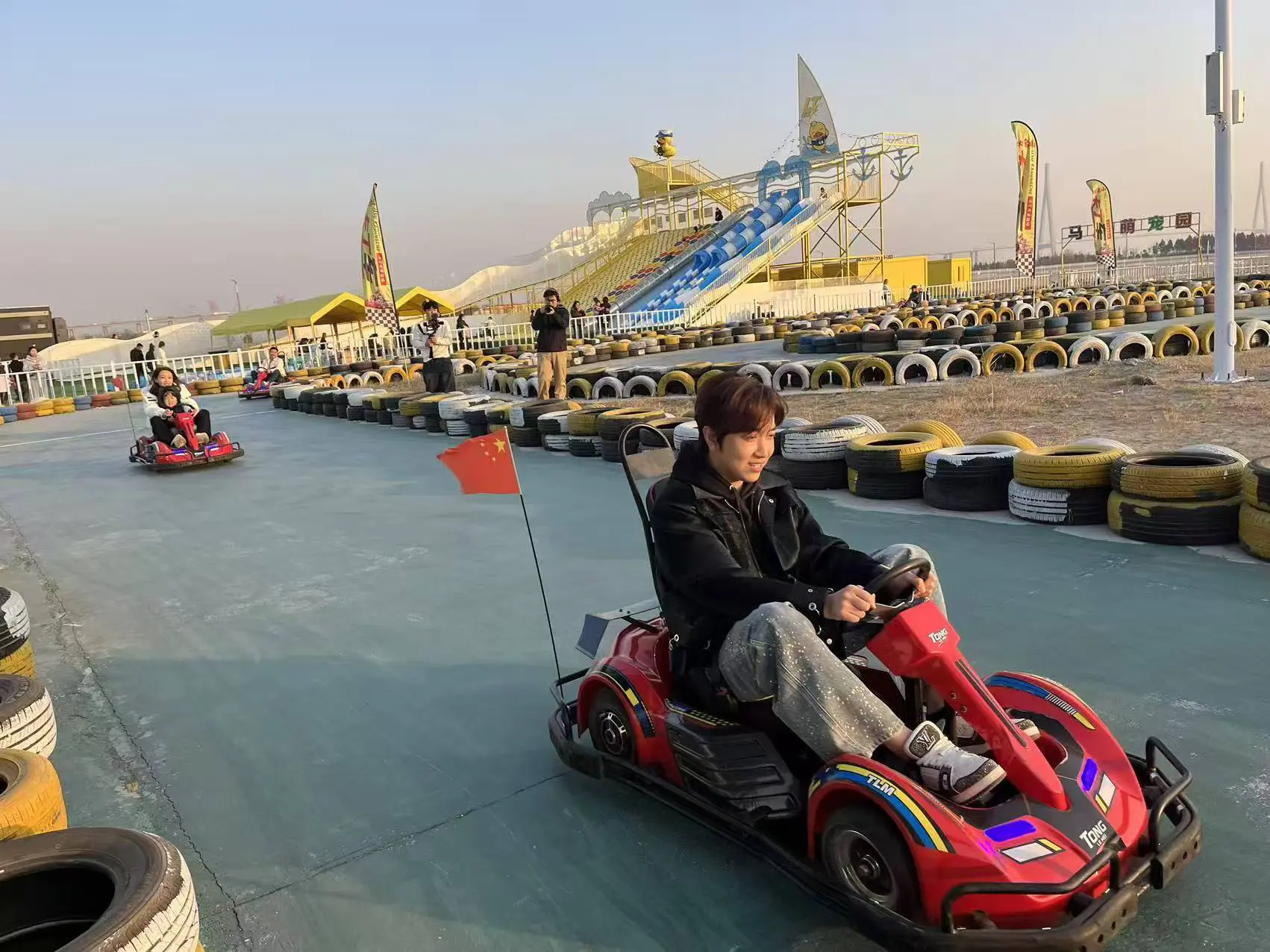
A well-balanced combination of drift karts, lightning karts, and parent–child go karts supports multiple operating scenarios, including single-driver experiences, parent–child co-driving, and progressive skill-based rides. This diversified structure helps prevent experience homogenization and keeps the attraction fresh for returning customers.
At the same time, operators can design differentiated pricing strategies around these models, such as single-driver multi-ride packages, parent–child experience bundles, or entry-level children’s rides with paid parental participation upgrades. By aligning kart types with pricing and experience design, venues can steadily increase customer retention and overall revenue per visitor.
A Practical Selection Perspective for Operators
Before purchasing go karts for a children’s or family entertainment venue, operators should conduct a practical self-assessment based on the following key points:
-
Whether the selected go-kart models cover the full age range, from children aged three and above to adults
-
Whether parent–child co-driving scenarios are supported, rather than only single-child driving experiences
-
Whether the fleet structure allows flexible pricing and package combinations for different customer groups
-
Whether the selected models help reduce operational pressure and minimize safety risks during daily operation
-
Whether the go-kart experience is designed to encourage long-term repeat visits instead of one-time participation
Final Thoughts
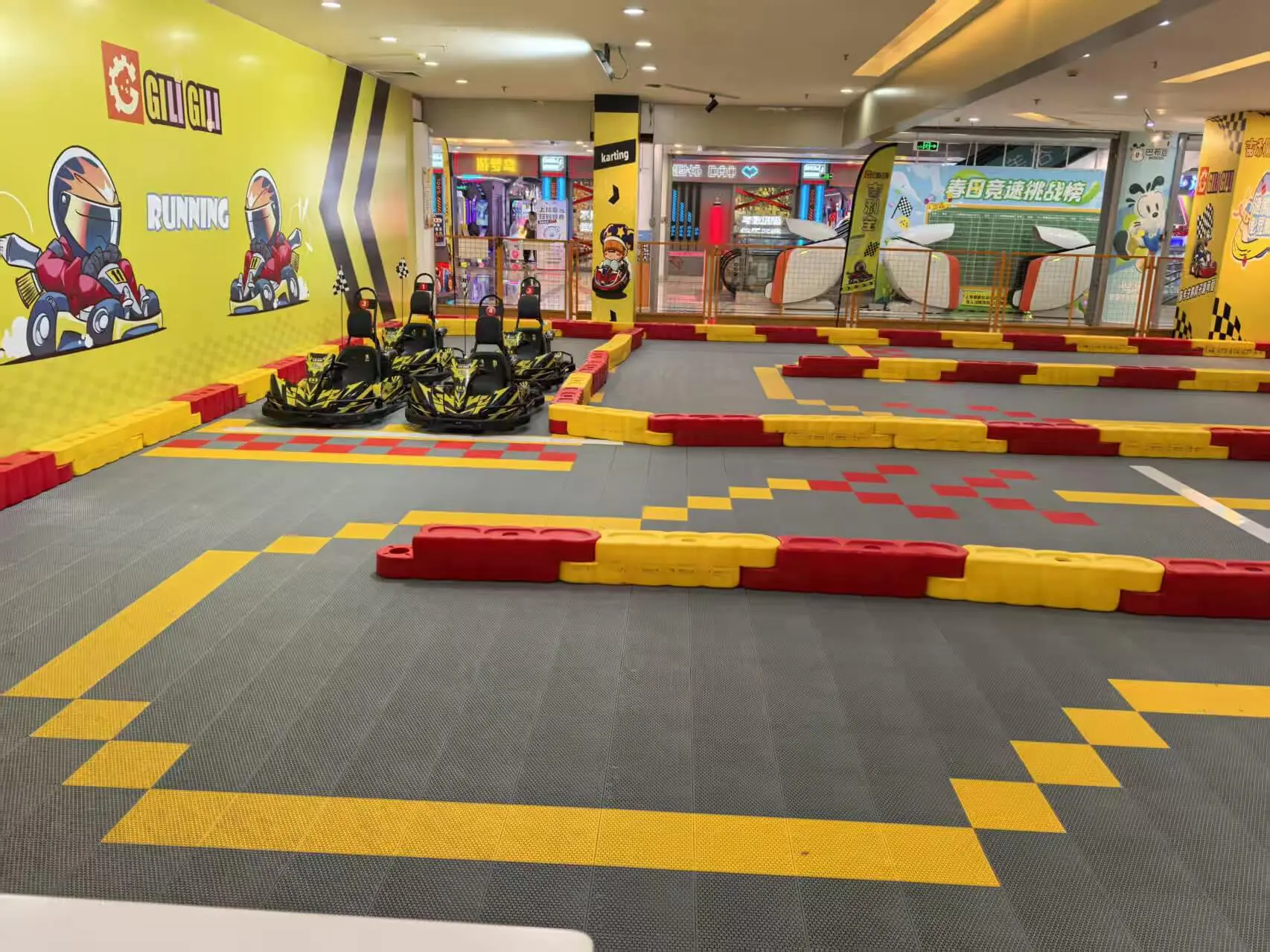
For children’s go-kart clubs and family entertainment centers, investing in these three kart types is not simply a cost decision, but a strategic alignment with real operational needs. A well-structured kart selection enables venues to build differentiated competitiveness, stand out in the family entertainment market, and achieve more stable and sustainable long-term profitability.
Industry references:
https://www.iaapa.org
https://www.teaconnect.org



Leave a Reply
Want to join the discussion?Feel free to contribute!